
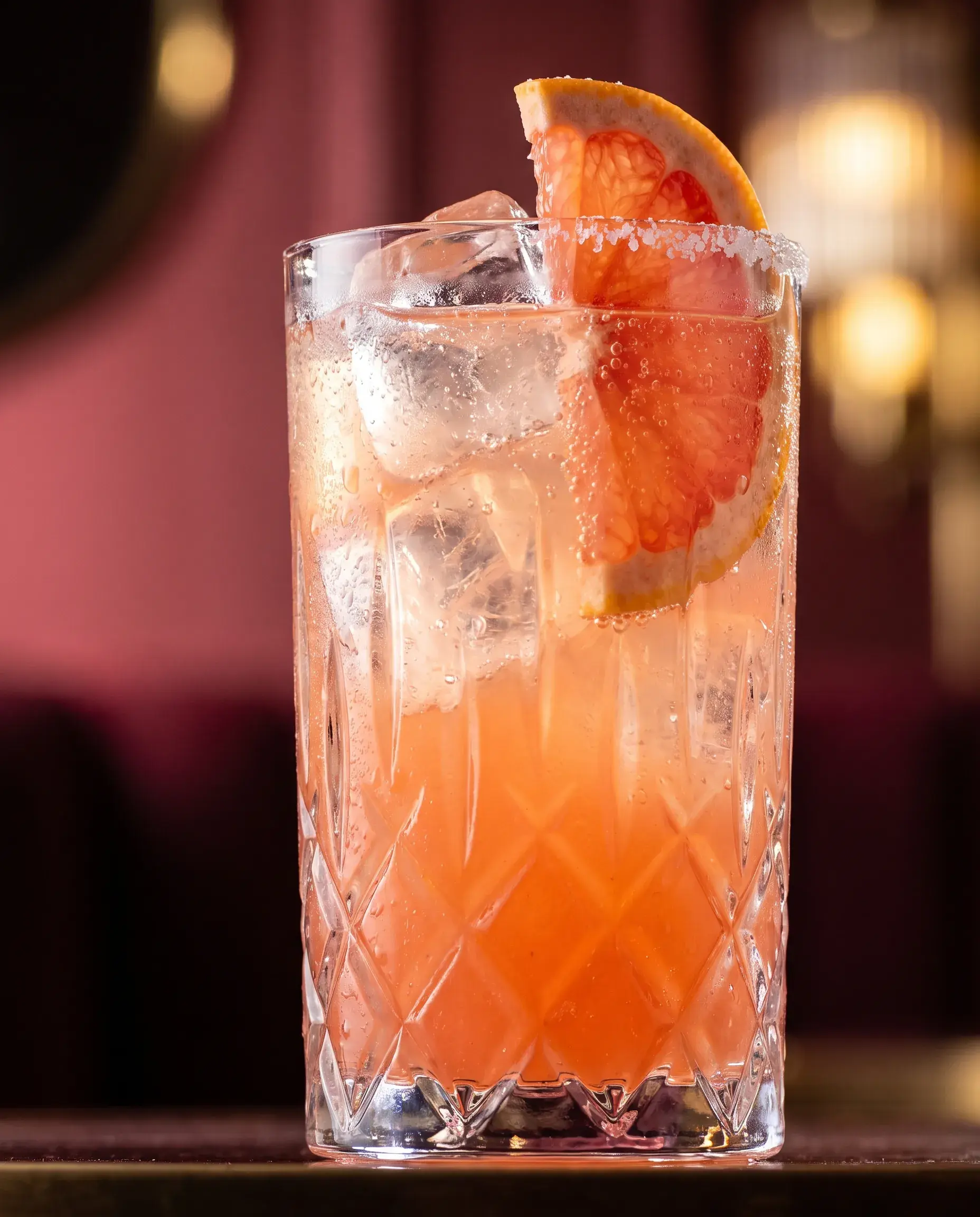
A well-built non-alcoholic drink uses the same glass, the same ice, the same garnish and the same sixty seconds of a bartender's attention as the cocktail beside it. In most rooms it is priced at half. That gap is not generosity. It's an accounting error.
Argument one: the cost is labour, not liquor
Spirit cost on a standard cocktail runs somewhere between two and four dollars. Everything else (the glassware, the ice program, the garnish prep, the pour time, the wash-up) is identical whether or not there's alcohol in it. Removing the spirit removes a fraction of your cost and, priced badly, most of your margin.
Argument two: the guest is not asking for a discount
The designated driver, the pregnant guest, the person six months sober and the one who just doesn't feel like it are all sitting at a table that is spending money. What they want is not to be handed a soda water and made to feel like an afterthought. Give them a drink with the same craft and they will happily pay eleven dollars for it.
Nobody orders a zero-proof cocktail because it's cheap. They order it because they want to be at the table.
Argument three: it's the easiest menu line you'll ever add
If you already stock a real mixer, the zero-proof list writes itself. Arté Paloma with soda and a grapefruit peel is a spritz. Arté Espresso over tonic with an orange twist is an afternoon highball. Both take under a minute, both photograph, both hold at cocktail pricing.
Put three of them on the menu. Price them within two dollars of your cocktails. Watch the category stop being a favour and start being a line item.