

Heat is the cheapest way to make juice safe and the most expensive way to make it good. Pasteurisation works, and it kills what needs killing, but it also cooks the volatile aromatic compounds that make citrus smell like citrus. That flat, jammy, slightly stewed note in shelf-stable juice isn't a flavour choice. It's thermal damage.
Pressure instead of temperature
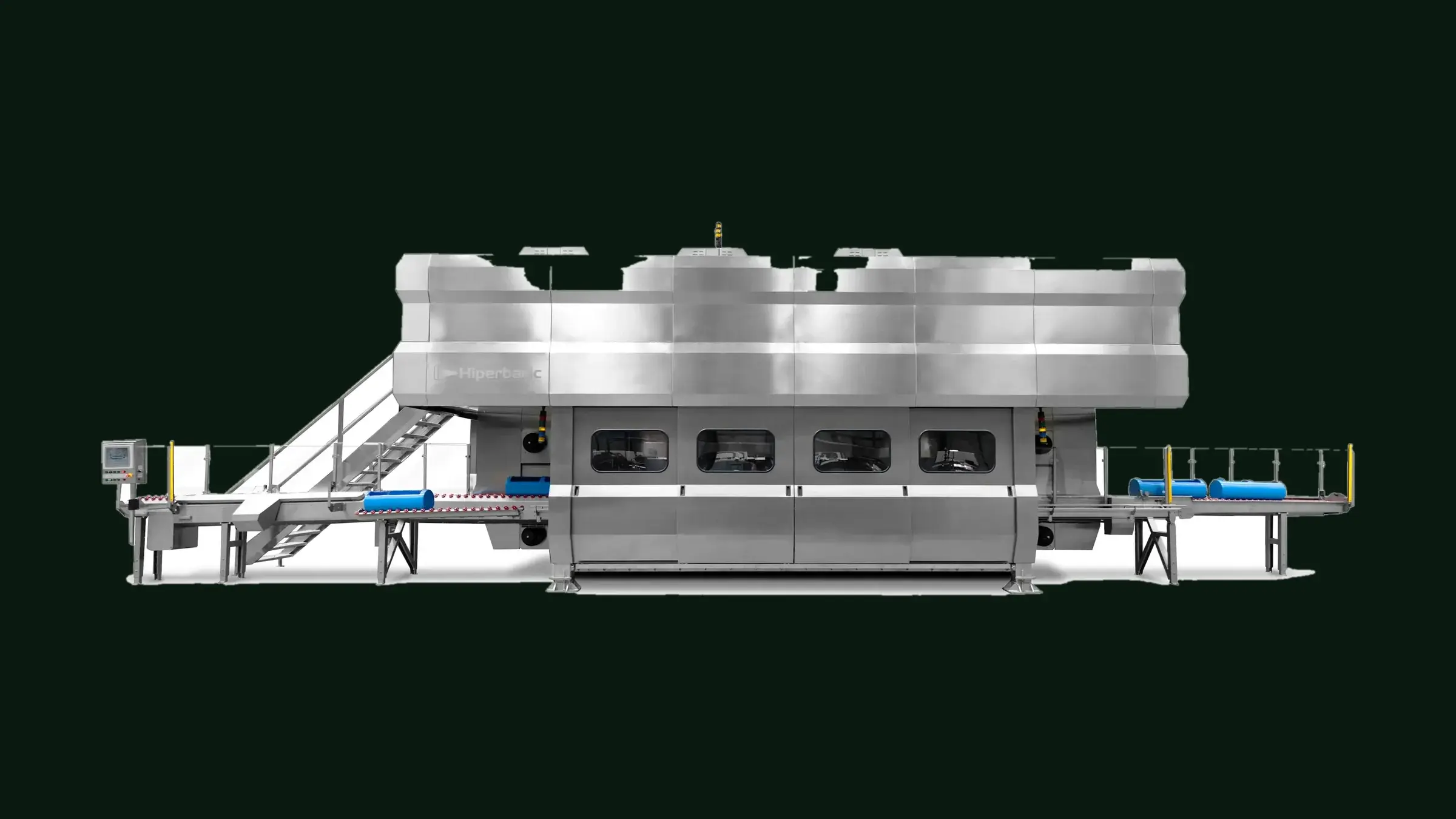
High-pressure processing takes the finished, sealed bottle and submerges it in water inside a steel vessel. The water is then pressurised to around 87,000 PSI, roughly six times the pressure at the bottom of the Mariana Trench, and held there for a few minutes.
At that pressure, the protein structures that pathogens depend on collapse. Listeria, E. coli and Salmonella can't survive it. But the small molecules that carry flavour and aroma are essentially incompressible at this scale: they come out the other side unchanged.
Heat breaks the molecules that make juice taste like fruit. Pressure doesn't. That's the entire argument.
What you get, and what you give up
- No heat damage. The bright top notes in lime and grapefruit survive intact.
- No preservatives. Shelf life is extended by the process itself, not by additives on the label.
- Nutrient retention. Vitamins, minerals and natural enzymes stay largely where they were.
- Food safety without compromise. The vessel does not care how delicate the ingredient is.
The trade-off is the cold chain. HPP does not make juice shelf-stable at room temperature. It extends refrigerated life. Arté citrus juice holds 240 to 395 days from production by flavour when kept at 0–4 °C, and fourteen days once opened. Break the cold chain and you've undone the process.
Why it matters behind a bar
The practical version: a bar can now hold months of unopened inventory of single-ingredient citrus juice that tastes like it was pressed this morning, order it at a fixed wholesale price, and stop building the week around a prep shift. That's not a small operational change. That's a different way to run a bar program.