

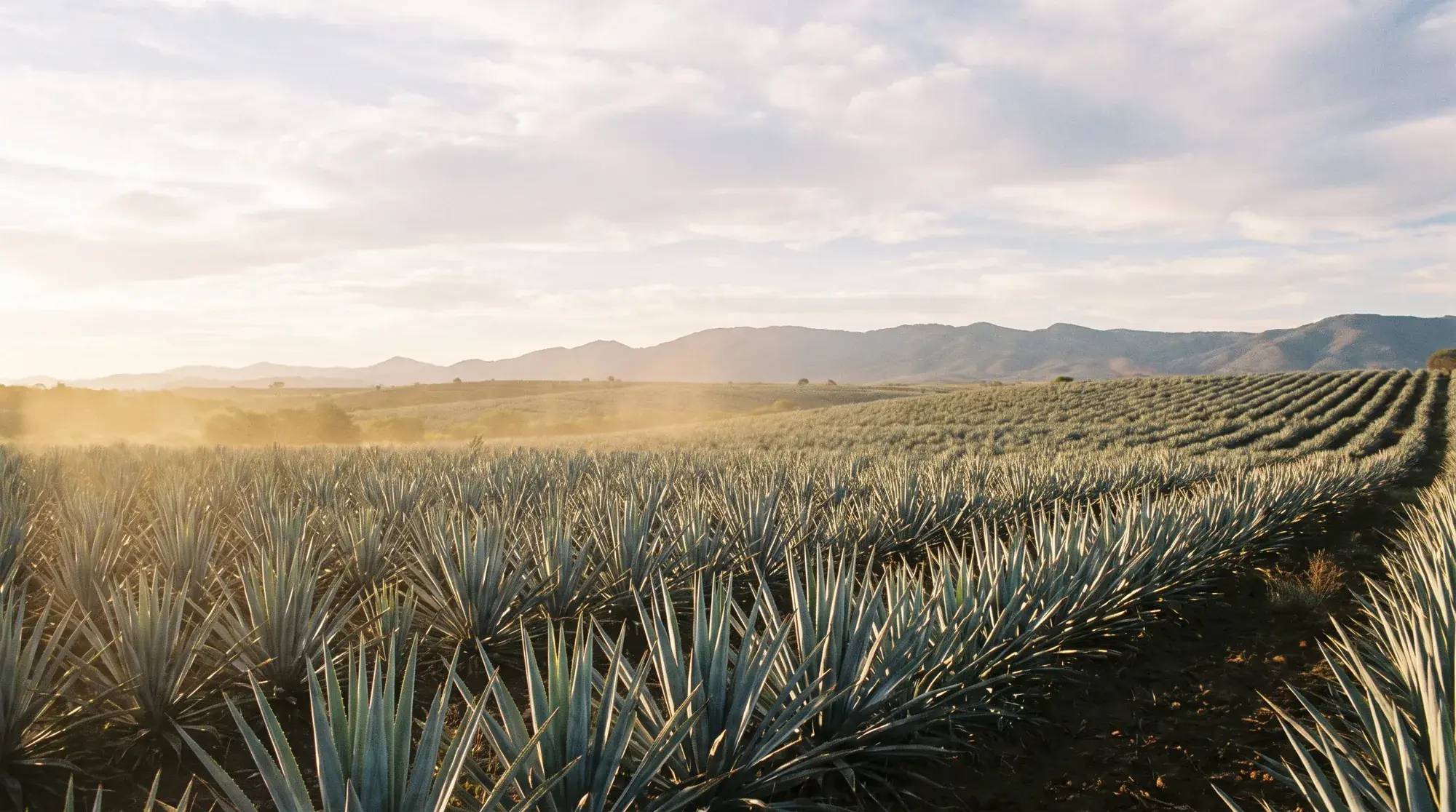
The shortest version of the Arté story is a route. Fruit is grown and pressed close to where it's harvested in Mexico, moves cold through a continental supply loop, and arrives in a bar in Vancouver, Calgary, Edmonton or Toronto tasting the way it did at the grove.
That's a logistics achievement before it's a flavour one. Most citrus travels as fruit, loses weeks in transit, and gets pressed at the far end of its life. We press at the beginning of it, and let pressure, not heat and not preservatives, carry it the rest of the way.
We are not a Mexican brand that ships to Canada. We're a continental supply loop that happens to make very good juice.
Why the culture matters commercially
The paloma is not a trend. Neither is the margarita. They are the everyday drinking culture of a country of a hundred and thirty million people, and they were built around ingredients that were assumed to be fresh because they always were. Building mixers for those drinks means honouring the assumption, two ingredients and no shortcuts, rather than reverse-engineering a flavour profile from a syrup.
That's the whole standard. If a bartender in Guadalajara wouldn't recognise it as the real thing, it doesn't go in the bottle.
Where it goes next
The near-term picture: deeper national hospitality accounts, a US broker partnership, Western Canadian retail, and a first move into US retail shelves. The longer-term picture is vertical: owning more of the route from raw material to finished product, so the loop closes entirely.